

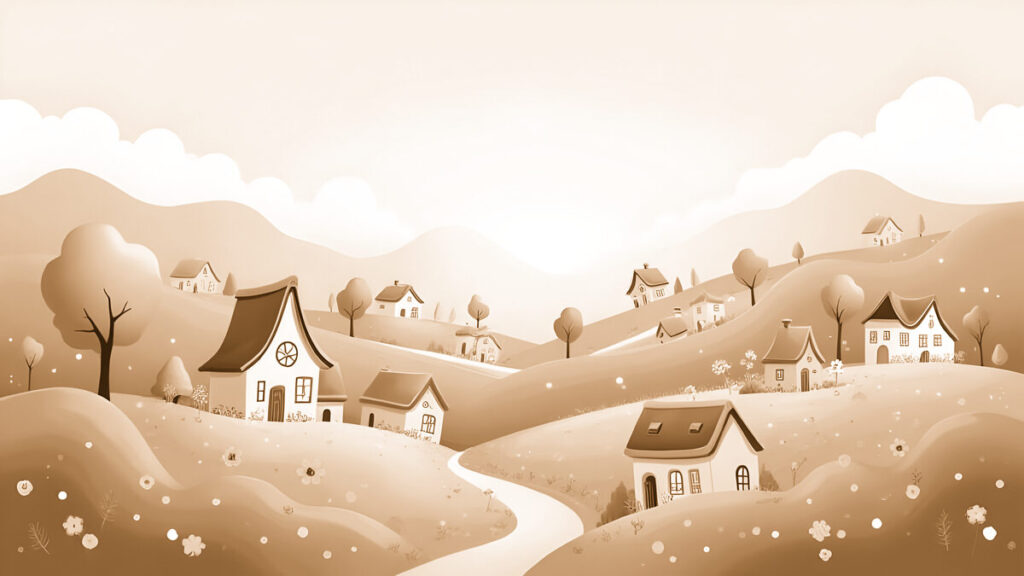
Nestled on the gently rolling hills east of downtown Greenville, the Tusculum neighborhood tells a story etched in brick, stone, and community spirit. For generations, this corner of our East Tennessee town has been cherished for its enduring elegance, educational legacy, and unique blend of old and new. Whether you’re strolling down College Street beneath the shade of century-old trees or catching a football game at Pioneer Field, Tusculum’s heritage shines at every turn.
The Origins of Tusculum: A Name Steeped in Classical Roots
Tusculum’s story stretches back farther than many may realize. Founded in the early 19th century, the neighborhood grew around Tusculum Academy, which was established in 1794—making it one of the oldest institutions of higher learning in Tennessee. In 1844, it evolved into Tusculum College (now Tusculum University). The name “Tusculum” was inspired by an ancient Roman city, the retreat of statesmen like Cicero, chosen to symbolize an ideal place of learning and reflection.
The college’s influence was so profound that the area surrounding it naturally adopted its name. Today, “Tusculum” not only refers to the university but also encompassing streets, homes, and parks—a testament to the neighborhood and school’s intertwined destinies.
Key Historical Milestones: Growth, Resilience, and Community Spirit
As Greenville grew in the 1800s, so did Tusculum. The arrival of the railroads, just a stone’s throw from Tusculum Boulevard, ushered in a period of expansion and optimism. Families settled along W. Andrew Johnson Highway, creating a vibrant, close-knit community. The historic Afton Depot—now lovingly preserved—is a reminder of those bustling years, when Tusculum was a gateway to the wider world.
Not all times were easy, however. During the Civil War, the university and surrounding neighborhood played a quiet but important role in sheltering those caught between the lines. The landscape bears the imprint of these events, with heritage markers and oral histories passed from one generation to the next.
The 20th century brought its own changes. Paved roads such as Erwin Highway connected Tusculum more closely with Greenville, while new schools, churches, and civic organizations solidified its status as a place where progress and tradition beautifully coexisted.
Notable Landmarks and Treasured Buildings
Several landmarks capture the soul of Tusculum, inviting both residents and visitors to explore its rich past:
- Tusculum University Campus: With its classic red-brick buildings like Old College, Doak House Museum, and the stately Garland Library, the campus serves as the beating heart of the neighborhood. The Doak House, built in 1830, is now a museum offering living history programs and insight into early Appalachian life.
- Pioneer Park: This beloved green space along Shiloh Road and Erwin Highway draws neighbors for community events, ball games, and summer picnics. The park’s shaded paths are a favorite among dog-walkers and joggers, embodying the neighborhood’s leisurely pace.
- Tusculum View Elementary School: Built mid-century on North Main Street, the school symbolizes the community’s multi-generational roots and commitment to nurturing young minds.
Other cherished spots include heritage churches such as Tusculum Cumberland Presbyterian, and the rows of Victorian and Craftsman-style homes lining Gilland Street, each one with its own story.
Evolution Through the Decades: Embracing Change, Honoring Heritage
What truly sets Tusculum apart is its capacity to evolve while preserving its spirit. In the mid-1900s, the neighborhood expanded with modern subdivisions, accommodating Greenville’s growing population but maintaining a welcoming, small-town feel. Parents still walk their children to nearby Greeneville Community Hospital, while longtime residents tend flower gardens that have bloomed for decades.
Tusculum University continues to expand its academic offerings, drawing students from across the region and beyond. The influx of new voices brings fresh energy, yet there is a continuity—the same values of curiosity, neighborliness, and stewardship that guided the first settlers.
Revitalization efforts throughout Tusculum have seen historic homes lovingly restored and local businesses thrive along College Street and Erwin Highway. This gentle regeneration ensures that Tusculum remains as inviting for new families as it is comforting for those who have called it home for generations.
Tusculum Today: A Tapestry of Heritage and Hope
Today, Tusculum stands as one of Greenville’s most picturesque and storied neighborhoods. On any given day, you might find retirees gathering at Doak House for a history lecture, families cheering under Friday night lights at Pioneer Park, or college students studying under ancient trees on campus green.
What truly makes Tusculum special, though, is the sense of belonging. Here, neighbors remember each other’s stories; traditions are honored, and the future is built on the solid foundation of goodwill and shared purpose. From its Roman-inspired name to its vibrant present-day life, Tusculum is more than a place—it’s a living tapestry of history, heritage, and hope.
If you’re ever passing through Greenville, take a moment to linger at Tusculum’s crossroads. Listen to the echoes of learning and laughter, and you’ll understand why this neighborhood holds such a cherished place in our community’s heart.